Gruta das Torres, on Pico Island, is the largest known lava tube in Portugal and one of the most interesting places in the Azores for understanding how a volcanic island forms from the inside. Descents into the cave are currently suspended for safety reasons, but the site remains relevant for understanding Pico’s volcanic identity. Please confirm the latest status before planning your visit.
Unlike more visually dramatic volcanic caves, such as Algar do Carvão on Terceira Island, Gruta das Torres is not mainly about a huge volcanic chimney, a lake at the bottom, or classic cave formations. Its value lies in understanding what a lava tube is, how lava moves underground, and how volcanic activity shaped Pico Island.
Table of Contents

Gruta das Torres in 30 seconds
| Location | Criação Velha, Madalena municipality, Pico Island. |
|---|---|
| Type of cave | Lava tube formed by basaltic lava flows. |
| Importance | The largest known lava tube in Portugal, with about 5,150 meters. |
| Normal visit | When available, the guided visit covers about 450 meters and lasts around 1 hour. |
| Current status | Descents into the cave are suspended for safety reasons, with no official reopening date. |
| Inside conditions | Average temperature around 15 ºC, high humidity, low light, and rocky ground. |
| Recommendation | Confirm the status directly before traveling to the site. |
What is Gruta das Torres?
Gruta das Torres is a lava tube. This means it is not a traditional limestone cave formed by water dissolving rock, with classic limestone stalactites and stalagmites. It is a volcanic cave formed when lava flowed underground, leaving behind a natural tunnel.
In simple terms, the outer part of a lava flow cooled and solidified first, while hotter lava continued to move inside. When the flow ended, an empty tunnel remained. That is the kind of structure you can understand at Gruta das Torres.
The cave is part of the Lajidos–Gruta das Torres formation, within the volcanic complex of Pico Mountain. It is estimated to have formed about 1,500 years ago during an eruption originating in Cabeço Bravo.
Recent content to keep planning better

Why is Gruta das Torres important?
Gruta das Torres is important for three main reasons: size, conservation, and educational value. With about 5,150 meters, it is the largest known lava tube in Portugal. It also helps visitors understand Pico’s volcanic formation, which is hard to grasp from just looking at the mountain or the lava fields on the surface.
Inside, the point is not to find a cave “decorated” in the classic sense. The focus is on the lava structures: ridged walls, side benches, lava balls, different types of lava, and formations that show how lava behaved as it moved through the tunnel.
It is especially interesting to travelers who enjoy geology, volcanology, nature, science, landscape interpretation, and educational tourism.

Gruta das Torres vs. Algar do Carvão: very different experiences
It is normal to compare Gruta das Torres on Pico Island with Algar do Carvão on Terceira Island. But they are very different experiences.
| Place | Type of experience | What to expect |
|---|---|---|
| Gruta das Torres | Horizontal lava tube. | Geological interest, lava tunnel structure, volcanic formations, a sense of exploration, and a better understanding of lava flow. |
| Algar do Carvão | Subvertical volcanic cave / volcanic chimney. | A more monumental descent, stronger visual impact, more dramatic formations, and a lake at the bottom. |
If you are looking for an attraction with immediate visual impact, Algar do Carvão usually feels more impressive. If you want to understand how lava moved through Pico and how the island was shaped underground, Gruta das Torres is very interesting.
Is Gruta das Torres open?
At the time of this update, descents into Gruta das Torres are suspended for safety reasons. The Visitor Center remains open, but you should not assume the cave interior is available without checking first.
Before including Gruta das Torres in your itinerary, contact the Visitor Center directly or check the official Azores Natural Parks page.
Where is Gruta das Torres?
Gruta das Torres is located in Criação Velha, in the municipality of Madalena, a short distance from Madalena town. It is easy to combine with the vineyard landscape, Lajido, the natural swimming pools of Criação Velha, Pocinho, and other points along Pico’s western coast.
| Address | Caminho da Gruta das Torres, Criação Velha, 9950 Madalena, Pico Island. |
|---|---|
| Phone | +351 924 403 921 |
| [email protected] | |
| Official website | Azores Natural Parks |
| Map | Google Maps · Waze |
Current Visitor Center opening hours
Even with cave descents suspended, the Visitor Center’s remaining facilities are still in operation. These are the official opening hours currently listed, but confirm before going, as closures may occur due to weather or other operational conditions.
| Period | Official opening hours |
|---|---|
| November 1 to March 31 | Tuesday to Saturday and holidays: 9:00 a.m.–12:30 p.m. and 1:30 p.m.–5:00 p.m. Closed on Mondays, Sundays, January 1, and December 25. |
| April 1 to October 31 | Monday to Sunday and holidays: 10:00 a.m.–12:30 p.m. and 1:30 p.m.–6:00 p.m. |
The managing entity may close the site depending on weather conditions or other constraints.
Official prices are currently listed
The official price list shown for the Visitor Center currently indicates the following values. Since cave descents are suspended, confirm whether these prices apply to the visit available at the time of your trip.
| Visitor type | Official listed price |
|---|---|
| Child, 5–6 years old | Free |
| Junior, 7–14 years old | €5 |
| Adult, 15–64 years old | €10 |
| Senior, over 65 years old | €5 |
| Azores resident | Free, with Citizen Card. |
When applicable to the visit, the ticket includes individual safety equipment, such as a helmet with a disposable head cap and a handheld flashlight.
What is the visit like when descents are available?
When cave visits are available, the route is guided, and equipment is provided by the Visitor Center. The standard visit covers about 450 meters of the cave and lasts approximately 1 hour.
The interior is not heavily transformed into an artificial show cave. The visit is designed to keep the lava tube as close to its natural state as possible, allowing visitors to observe the tunnel, various types of lava, ridged walls, lava balls, side benches, lava stalactites, and lava stalagmites.
The visit has a medium level of difficulty, with low light, rocky ground, high humidity, and possible discomfort for people with claustrophobia.
What should you wear or bring?
A visit to Gruta das Torres requires appropriate clothing. Even if the weather is warm outside, the cave environment is cooler, humid, and uneven.
| Wear / bring | Why |
|---|---|
| Closed walking shoes | The floor is rocky and uneven. |
| Light waterproof jacket | The cave is humid, and dripping water may occur. |
| Comfortable clothing | The visit takes place on natural terrain. |
| Avoid loose objects | This makes movement easier and reduces the risk of dropping or losing items. |
| Confirm special conditions | Visitors with reduced mobility should contact the Visitor Centre directly before planning the visit. |
Who should be more careful?
Gruta das Torres is not suitable for every visitor profile without checking first. The Visitor Center highlights low light, the risk of claustrophobia, rocky ground, high humidity, and a medium level of difficulty.
| Situation | Recommendation |
|---|---|
| Children | Minimum age is 5 years old. Children up to 12 must be accompanied by an adult and must walk on their own feet. |
| Pregnancy | The visit is not recommended, especially in the second half of pregnancy. |
| Reduced mobility | Contact the Visitor Centre directly before planning the visit. |
| Claustrophobia | Low light and the underground setting may cause discomfort. |
| Groups over 15 people | Contact the Environmental Centre directly. |
Is it worth going while cave descents are suspended?
It depends on your itinerary. If your main goal is to enter the lava tube, you should wait for reopening or confirm directly with the Visitor Center before going. If you are already in the Criação Velha area and want to understand Pico’s geology better, the Visitor Center may still make sense as part of a wider route.
Gruta das Torres is in a useful part of the island for planning: close to Madalena, the vineyard landscape, natural swimming pools, Lajido, and several points of interest along Pico’s western coast.
What to visit near Gruta das Torres
If cave descents are still suspended, you do not need to waste the trip. You can use the Criação Velha area as part of a western Pico route.
| Near Gruta das Torres | Why it is worth it |
|---|---|
| Criação Velha vineyards | UNESCO-listed vineyard landscape, basalt stone walls, vines, and volcanic coastline. |
| Lajido | One of the most interesting areas for understanding Pico’s wine culture. |
| Pocinho | A good area to combine coastline, sea, and scenery. |
| Criação Velha natural swimming pools | A good swimming stop on calm-sea days. |
| Madalena | A practical base for restaurants, the harbor, services, and the ferry connection to Faial. |
Useful partners to complete your day in Pico
Gruta das Torres does not currently have a direct MyAzoresHome partner. To complete your day around western Pico, or as alternatives if the cave descent is suspended, these partners make more sense: a car rental for mobility, a land-based landscape tour, and a Pico wine experience.

AUTATLANTIS
- Available across 7 Azores islands
- No mandatory credit card
- Excess from 0€ · deposit from 100€
A strong option for travelers who want more payment flexibility and better coverage options across several Azores islands.

LAVAFACES
- 8-hour tour on Pico Island. Licensed guide
- Vineyards, North Coast, Lagoa do Capitão and Lajes
- From 2 to 8 people. Group or private
A good option for discovering Pico with more local context, volcanic scenery and cultural heritage in a comfortable way.
TRIPIX
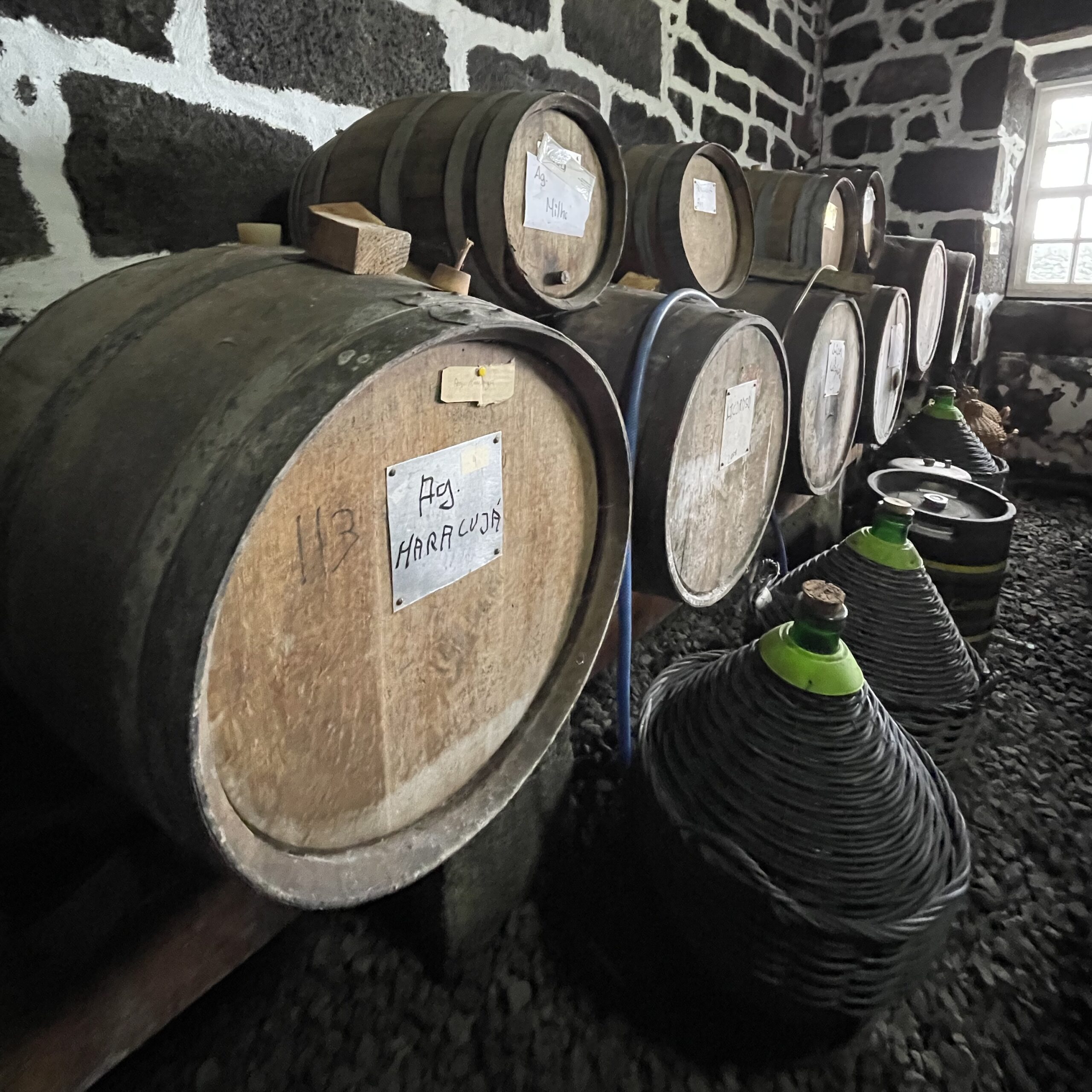
- Half-day or full-day wine tour
- Wine tastings and local context
- A good way to explore Pico’s wine culture
A strong option for discovering Pico’s wine heritage with a local guide and an exclusive MyAzoresHome discount.
Is Gruta das Torres worth visiting?
Yes, but with the right expectations. Gruta das Torres is not a “decorative” cave in the classic sense. Its real value lies in showing how lava moved within the island and how lava tubes form.
While descents are suspended, do not build your entire itinerary around entering the cave. Use Gruta das Torres as a geological reference point and combine it with Criação Velha, Lajido, vineyards, natural swimming pools, and Madalena. When descents resume, it will again be one of the most interesting visits in Pico for anyone who wants to understand the island’s volcanic origin.
Is Gruta das Torres open in 2026?
The Visitor Centre’s remaining facilities are in operation, but descents into Gruta das Torres are currently suspended for safety reasons. There is no official reopening date for cave descents at the time of this update.
Why are descents into Gruta das Torres suspended?
Descents were suspended for safety reasons. Regional reporting linked the suspension to a block fall near the access staircase and instability in adjacent blocks.
Where is Gruta das Torres located?
Gruta das Torres is located on Caminho da Gruta das Torres, in Criação Velha, in the Madalena municipality, on Pico Island.
Is Gruta das Torres the largest lava tube in Portugal?
Yes. Gruta das Torres is the largest known lava tube in Portugal, with about 5,150 meters in length.
How long does the Gruta das Torres visit take?
When cave descents are available, the guided visit covers about 450 meters and lasts approximately 1 hour.
What should I wear to visit Gruta das Torres?
You should wear closed walking shoes suitable for rocky ground and a light waterproof jacket. When applicable, the Visitor Center provides a helmet, a disposable head cap, and a handheld flashlight.
Is Gruta das Torres suitable for children?
The minimum age indicated is 5. Children up to 12 must be accompanied by an adult and walk on their own feet; they may not be carried on laps or in backpacks.
Is Gruta das Torres similar to Algar do Carvão?
No. Gruta das Torres is a horizontal lava tube, while Algar do Carvão is a subvertical volcanic cave. Gruta das Torres is especially interesting for understanding lava flow and Pico’s volcanic formation.